


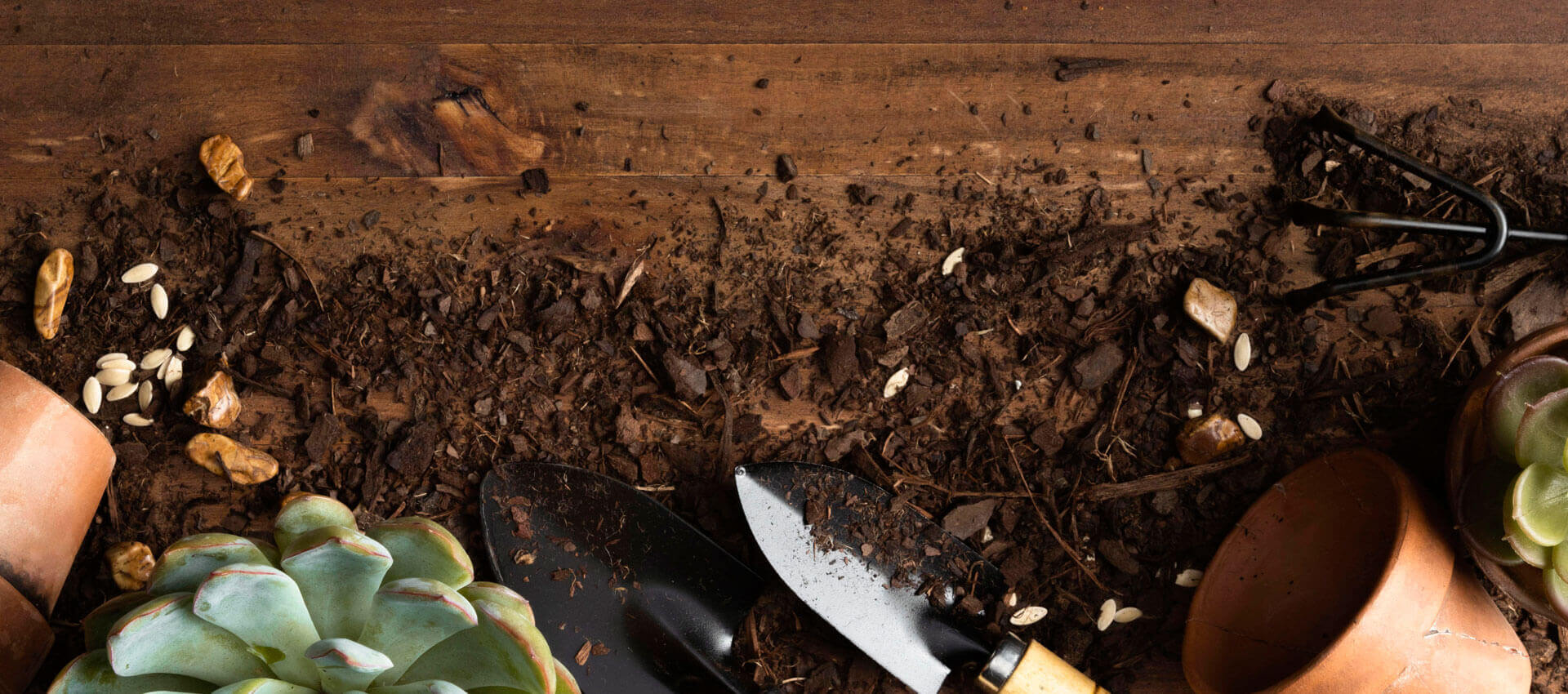
Gardening with indigenous plants is not only a tribute to the natural beauty of South Africa but also a practical approach for sustainable and eco-friendly gardening. These plants are well-suited to the local climate and soil, requiring less water and care than non-native species. For beginner gardeners and general homeowners, incorporating these native wonders can transform your garden into a thriving, low-maintenance sanctuary that supports local ecosystems.
1. Spekboom (Portulacaria afra)
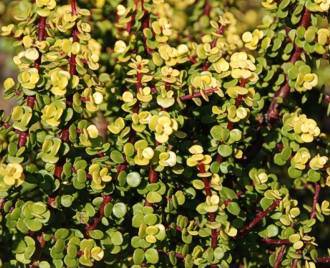
The Spekboom is a hardy succulent that thrives in poor soils and offers lush, green foliage year-round. Renowned for its exceptional carbon-sequestering capabilities, this plant is as beneficial as it is beautiful. It requires minimal water once established and can be pruned into various decorative shapes, making it a versatile choice for any garden.
2. Wild Dagga (Leonotis leonurus)

Also known as lion’s ear, this striking plant features bright orange flowers that attract a host of wildlife, including birds and butterflies. Wild Dagga is drought-resistant and makes an excellent addition to any sunny border or wildlife garden. It’s easy to grow and maintain, providing vibrant color from late summer to autumn.
3. Cape Reed (Chondropetalum tectorum)
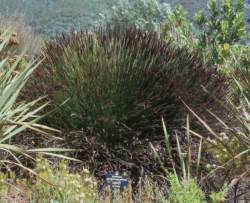
Cape Reed is perfect for adding texture and movement to your garden. Its tall, slender reeds sway gracefully in the breeze and are durable enough to handle various climates. Ideal for mass plantings or as an accent feature in water-wise gardens, Cape Reed needs little care once established.
4. African Iris (Dietes bicolor)

The African Iris is a robust, evergreen plant that produces beautiful yellow and white flowers. It’s perfect for ground cover or as an edging plant, thriving in full sun or partial shade. This iris is not only visually appealing but also attracts various pollinators, enhancing the biodiversity of your garden.
5. Silver Tree (Leucadendron argenteum)

Exclusive to the Cape Town area, the Silver Tree is notable for its striking silvery leaves and is a spectacular feature in any garden. It requires a sunny spot and well-drained soil, reflecting sunlight beautifully and providing a shimmering backdrop to darker foliage plants.
6. Red Hot Poker (Kniphofia spp.)
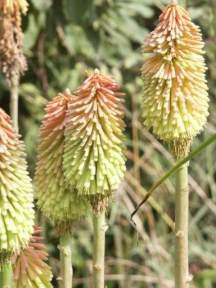
With its fiery, torch-like flowers, the Red Hot Poker is a surefire way to add a splash of color to your garden. These plants are incredibly tough and can survive with minimal watering once established. They’re perfect for a sunny, well-drained spot where their blooms can be appreciated up close.
7. Cape Aloe (Aloe ferox)
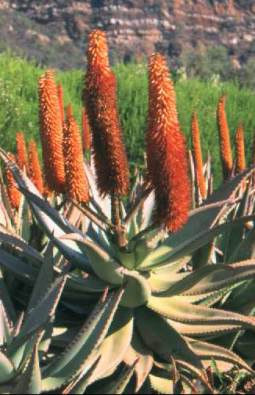
Known for its medicinal properties, the Cape Aloe also provides dramatic visual interest with its thick, spiky leaves and towering flower spikes. It’s extremely drought-tolerant and perfect for rocky gardens or arid environments, attracting birds, bees, and butterflies with its vibrant flowers.
8. Bitter Aloe (Aloe arborescens)

Bitter Aloe is another fantastic choice for sustainable gardens, offering year-round interest and medicinal benefits. It’s easy to care for, thriving in harsh conditions and blooming with fiery red flowers that are a magnet for wildlife.
9. Pincushion Protea (Leucospermum cordifolium)
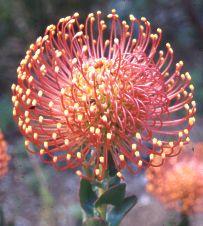
A true icon of the South African flora, the Pincushion Protea sports unique and colorful blooms that make a statement in any garden. These plants prefer acidic, well-drained soils and full sun, providing a spectacular display when in flower.
10. Veldt Grape (Cissus quadrangularis)

Not only is the Veldt Grape known for its medicinal properties, but it also adds a touch of architectural beauty with its thick, succulent stems. Ideal for vertical gardens or as a ground cover, it adapitates well to various environments and requires minimal care.
Conclusion
Embracing indigenous plants in your South African garden isn’t just a gardening choice—it’s a step towards more sustainable living. These plants offer a low-maintenance, drought-resistant gardening solution that supports local wildlife and conserves water. Whether you’re a seasoned gardener or just starting, integrating these native species will bring lasting benefits to your outdoor space.
FAQs
Q: What are the best indigenous plants for shady areas? A: African Iris and Cape Reed can perform well in partial shade, offering both beauty and resilience.
Q: How often should I water my indigenous garden? A: Most indigenous plants are drought-resistant and require minimal watering once established, generally only during prolonged dry spells.
Q: Where can I buy indigenous plants? A: Many local nurseries specialize in indigenous species. Websites like PlantZAfrica also provide information on where to find specific plants.
Leave a Reply